On this page
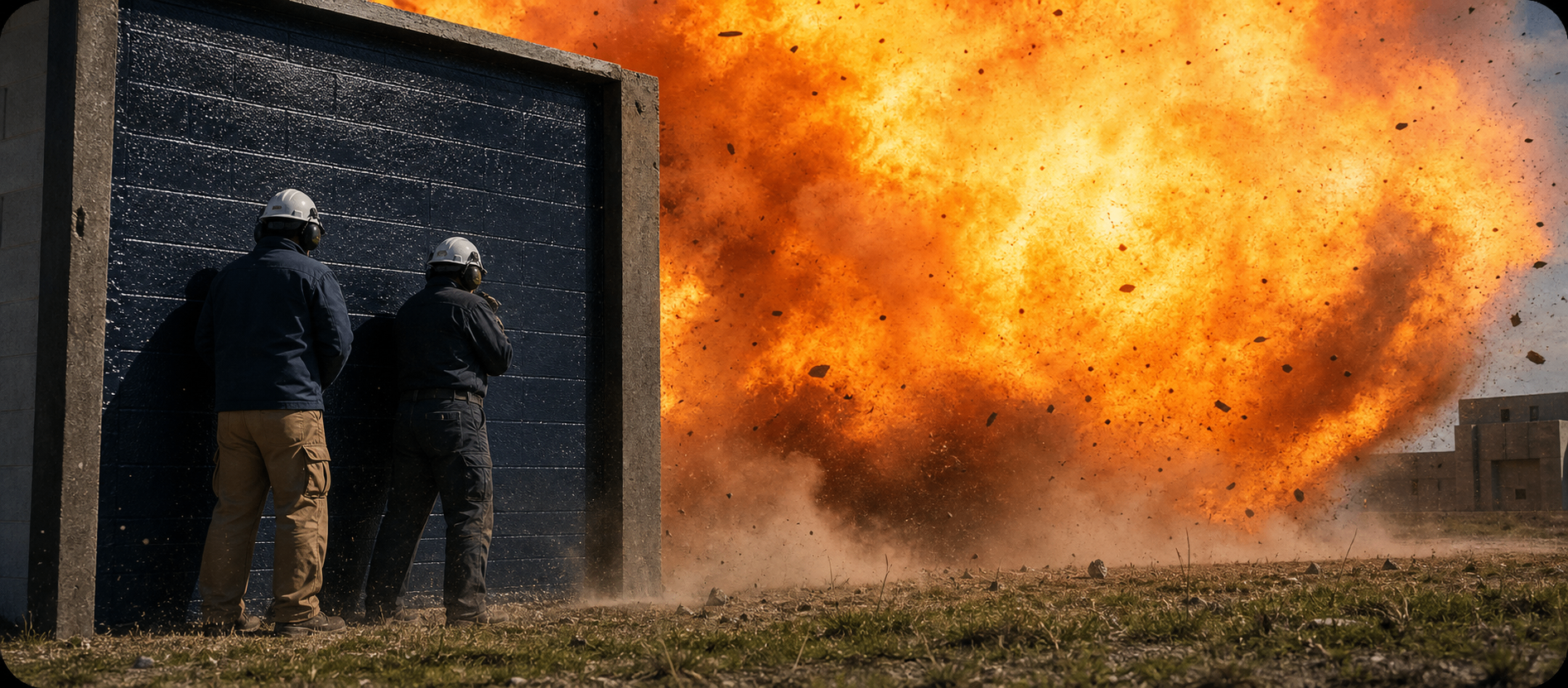
Blast mitigation has become a core part of protecting UAE critical infrastructure, industrial facilities, security compounds, government buildings and high-risk structures. TEXSA Waterproofing Systems engineers advanced blast mitigation polyurea coating systems that improve structural resilience, reduce fragmentation, absorb explosive energy and extend long-term protection against impact and blast-related damage.
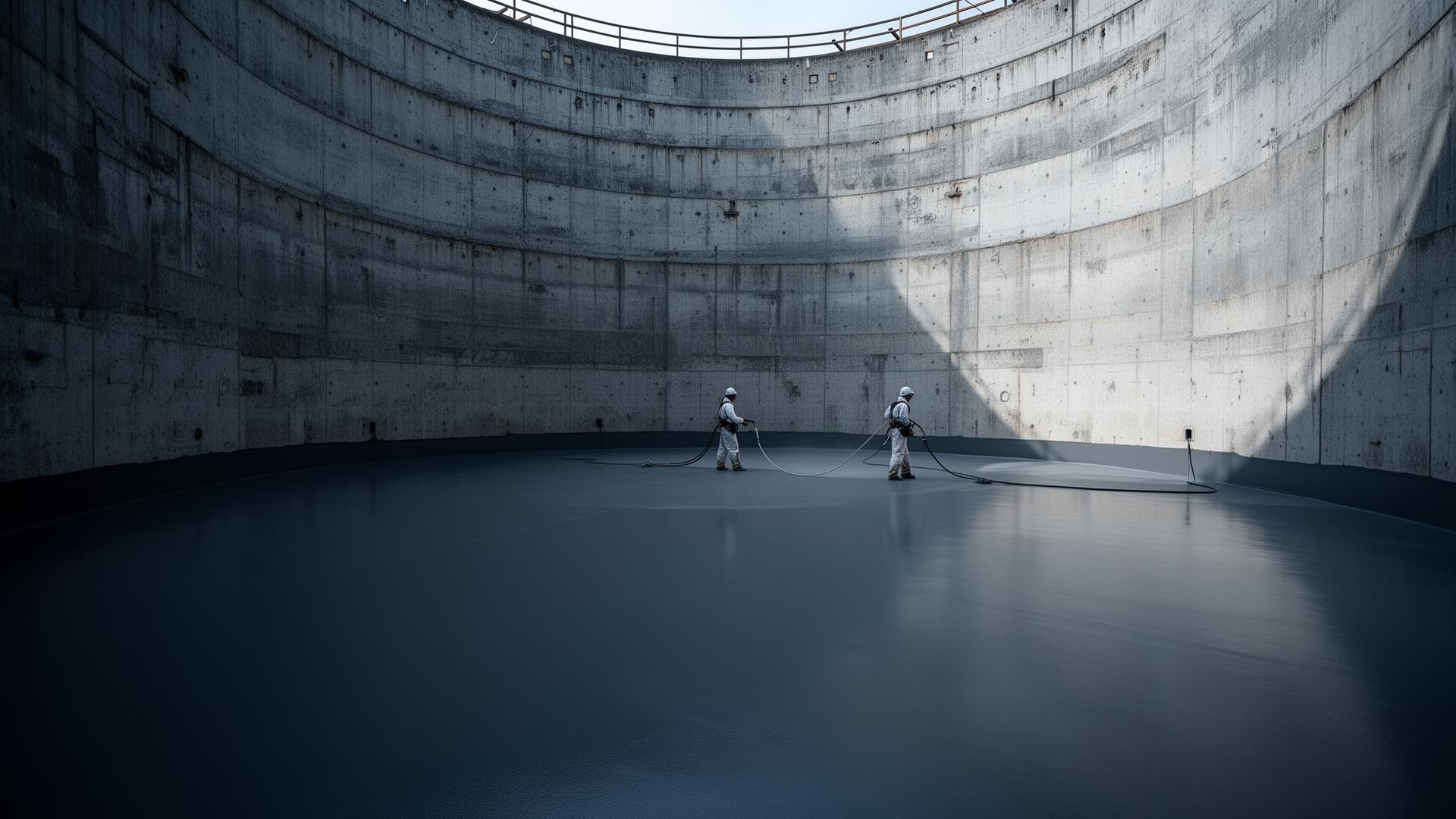
Our protective polyurea systems are designed for concrete, steel, masonry, composite and industrial substrates that require seamless protective membranes capable of withstanding extreme operational environments.
What is blast mitigation?
Blast mitigation is the engineered use of protective systems to reduce the destructive effects of explosions, shockwaves, fragmentation and impact forces on buildings, infrastructure, equipment and people. The goal is not to prevent the explosion — it is to control how its energy is transferred into the structure.
A properly designed blast mitigation system works by:
- Absorbing explosive energy
- Redistributing impact forces across the structure
- Reducing fragmentation and behind-wall debris
- Improving overall structural integrity
- Minimising the risk of catastrophic structural failure
These strategies are increasingly specified across UAE government infrastructure, utility facilities, transportation networks, industrial plants, energy assets, security compounds and military environments.
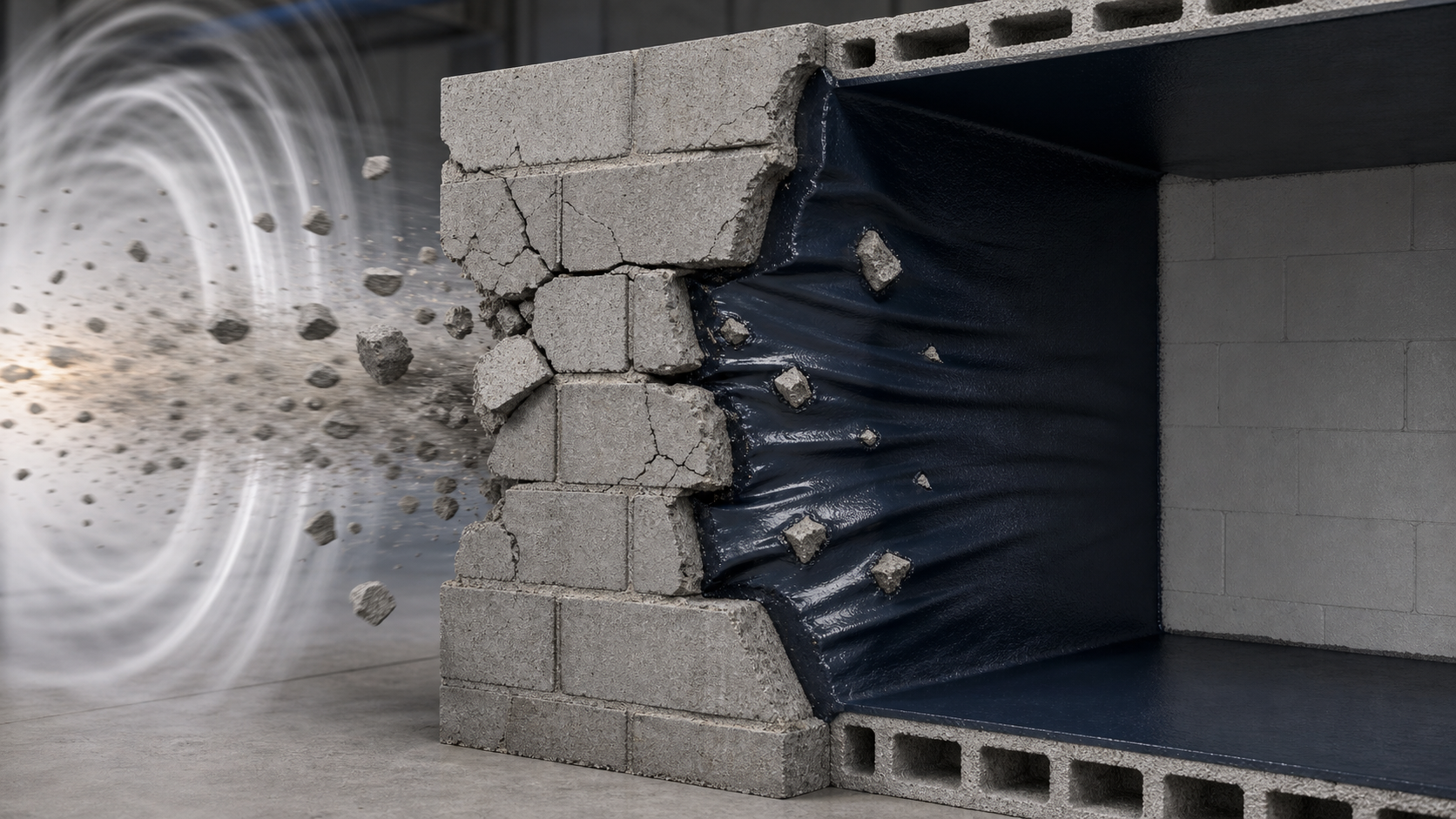
How polyurea controls fragmentation
The elastomeric membrane stretches under blast load and retains the fractured masonry behind the wall — converting destructive energy into controlled deformation instead of debris.
How blast mitigation polyurea coatings work
Blast mitigation coatings are advanced elastomeric protective systems spray-applied directly to concrete, steel, masonry, fibreglass and composite surfaces. When a blast event occurs, enormous pressure waves and fragmentation forces impact the structure. A properly engineered polyurea system helps:
- Absorb impact energy across the membrane
- Reduce structural spalling on the protected face
- Maintain substrate integrity under dynamic load
- Minimise debris projection into occupied space
- Improve structural resilience after the event
Pure polyurea brings a combination of properties that make it highly effective for blast mitigation — high elongation, exceptional tensile strength, seamless membrane formation, high adhesion, rapid curing and superior crack-bridging capability.
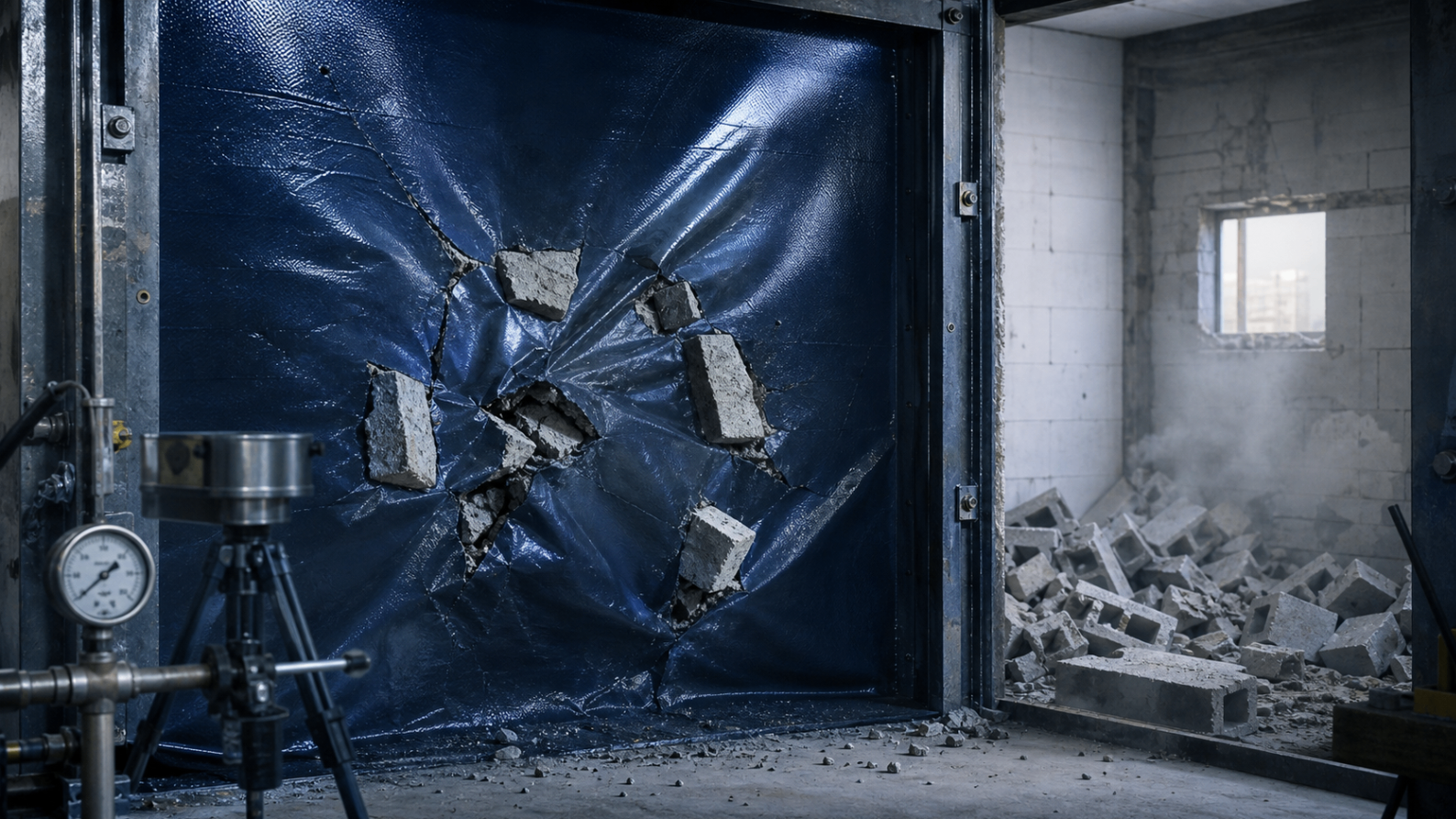
Post-blast performance
Even when the substrate fractures, the polyurea membrane holds the wall together — preserving the building envelope and stopping fragments from entering occupied space.
Why polyurea is ideal for blast mitigation
Pure polyurea has become one of the leading materials for blast mitigation and structural protection because it combines flexibility, durability, energy absorption, impact resistance and seamless application in a single sprayable system. Unlike rigid protective systems, polyurea forms a lightweight elastomeric membrane that conforms to complex geometry without adding excessive structural weight.
- High impact resistance
- Shockwave energy absorption
- Anti-fragmentation performance
- Abrasion and chemical resistance
- Corrosion protection on steel and concrete
- Fast curing — rapid return to service
- Long-term durability under UAE exposure
- Seamless, waterproof protective membrane
- Compatible with structural reinforcement strategies
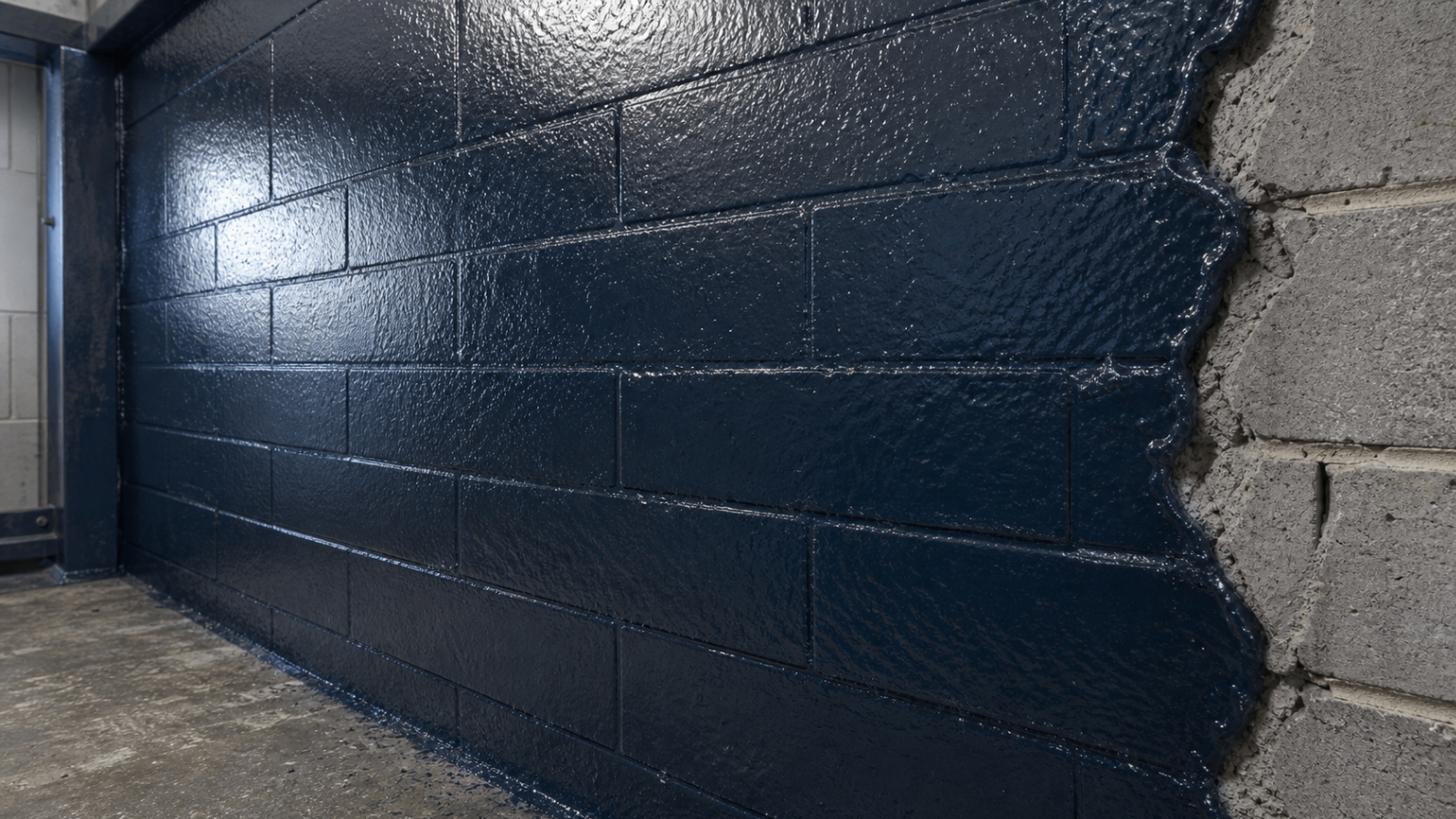
Seamless, monolithic finish
Hot-spray application produces a continuous membrane with no laps or joints — eliminating the weak points typical of sheet-based protective systems.
Blast mitigation polyurea applications in the UAE
TEXSA blast mitigation coating systems are deployed across four broad UAE asset groups:
Critical infrastructure
- Utility stations
- Water pumping stations
- Government facilities
- Transportation infrastructure
- Data centres and control rooms
Industrial and energy facilities
- Pipelines
- Refineries and process plants
- Storage facilities
- Secondary containment systems
Structural protection
- Concrete walls and columns
- Steel structures
- Structural enclosures
- Mechanical and electrical rooms
- Protective linings
Security and high-risk environments
- Security compounds and checkpoints
- Safe rooms
- Protective barriers and perimeter walls
- Blast-resistant enclosures
- Hardened infrastructure

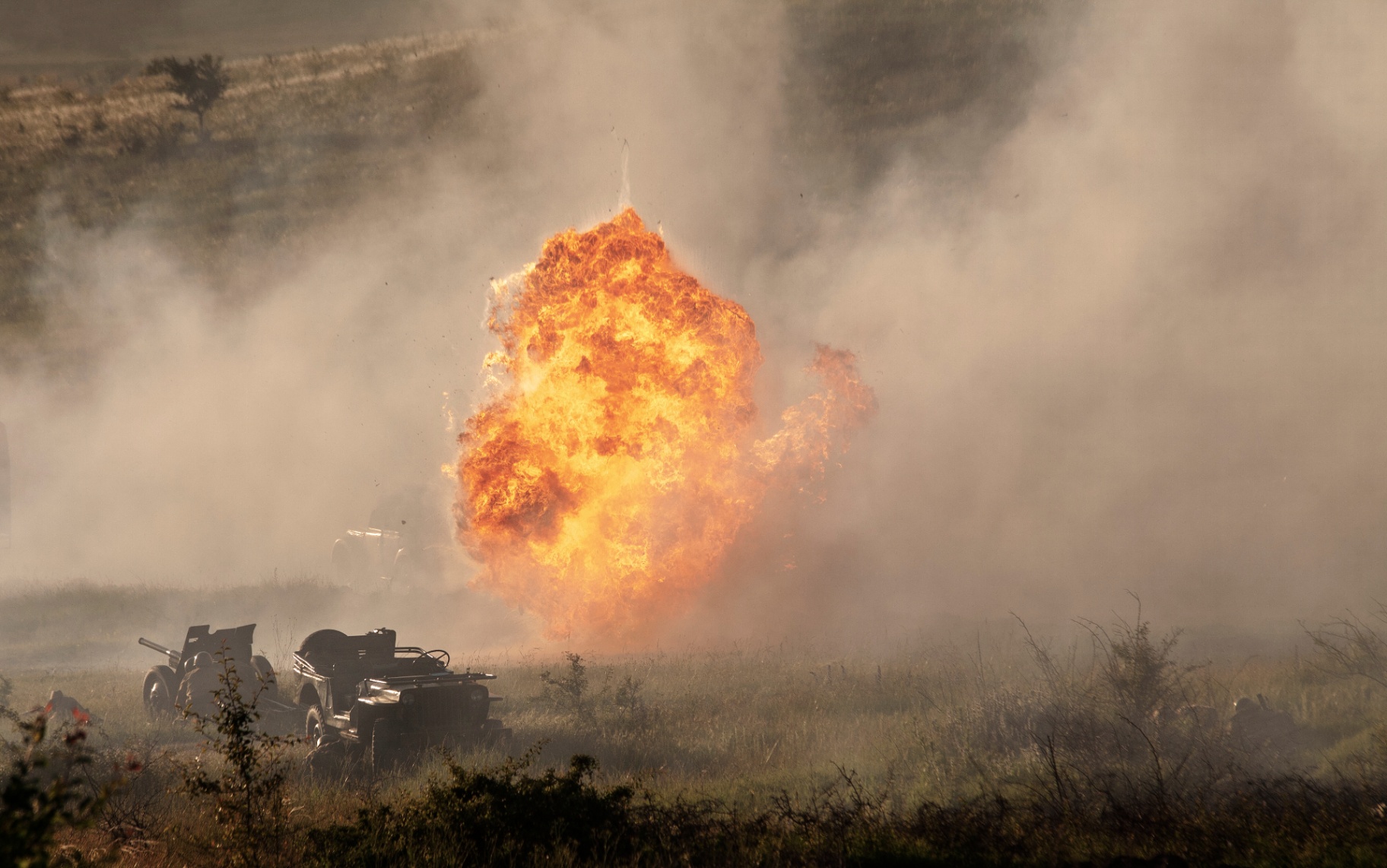
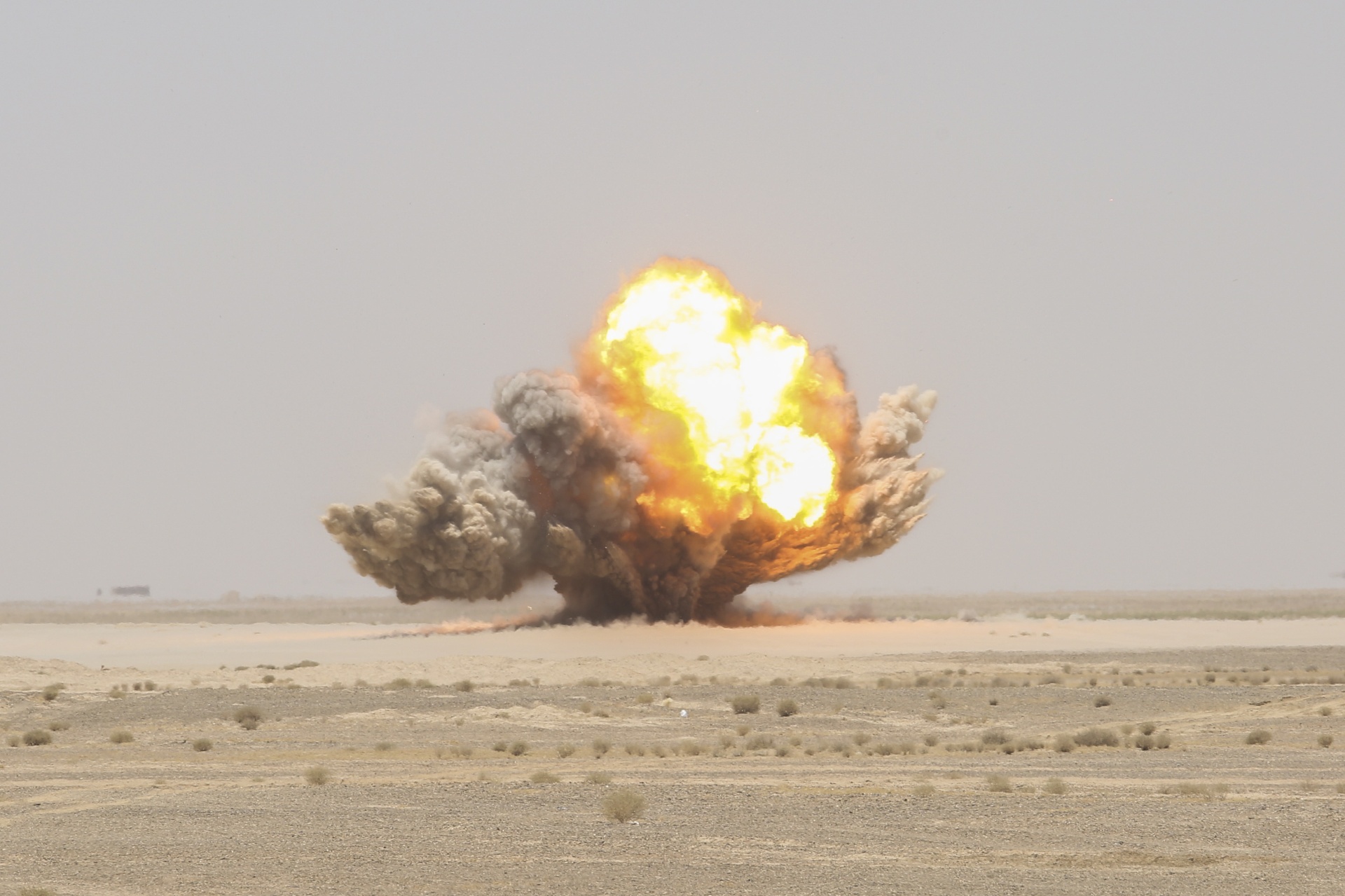
Threat protection capabilities
Advanced polyurea blast mitigation systems help reduce damage associated with:
- Shockwave overpressure
- Structural fragmentation
- Concrete spalling
- Surface cracking and substrate failure
- Impact forces and projectiles
- Abrasion and mechanical damage
- Underbody impact energy on vehicles and plant
- Industrial blast pressure exposure
TEXSA technical capability
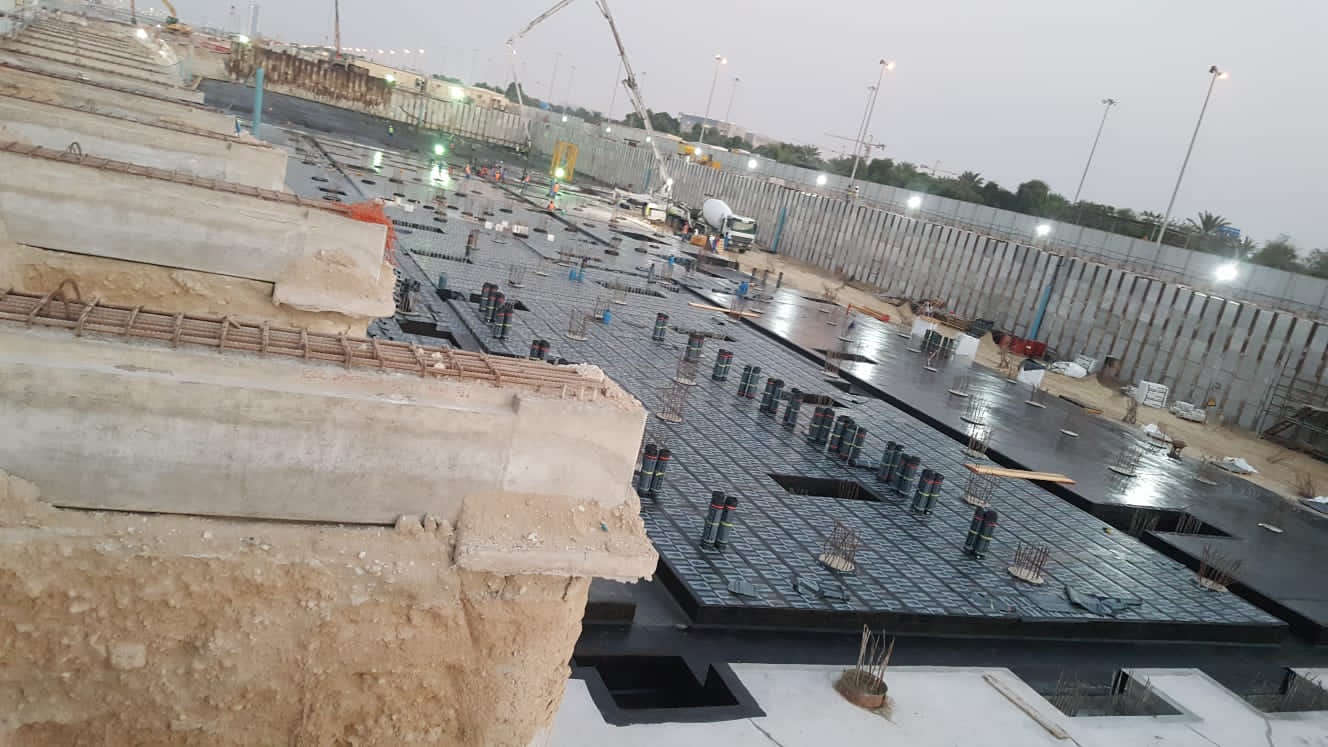
TEXSA combines advanced application technology with infrastructure rehabilitation expertise to deliver professional protective coating execution across the UAE. Our capabilities include:
- GRACO Reactor plural-component hot-spray systems
- Mobile spray rigs for site-based works
- Surface preparation and profiling (mechanical grinding, shot-blasting)
- Concrete rehabilitation integration
- Structural crack repair and injection
- Moisture control systems
- DFT testing and adhesion (pull-off) testing
- Holiday detection and continuity testing
- Full QA/QC documentation
- HSE-controlled application on live and sensitive sites
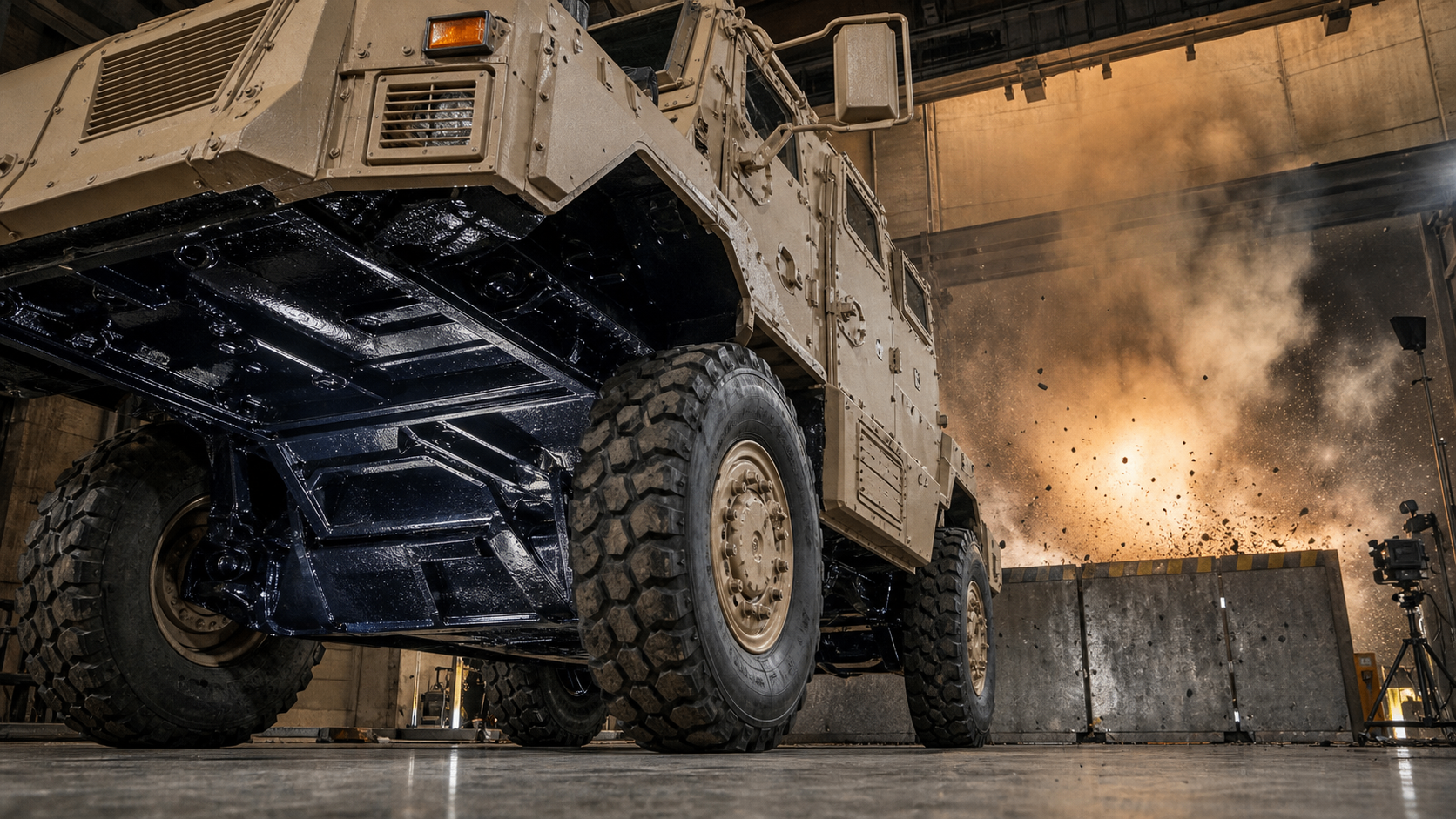
Beyond static structures
The same polyurea chemistry protects mobile assets — armoured vehicles, equipment and plant — from underbody impact, fragmentation and abrasion.
Blast mitigation polyurea for concrete and steel structures
TEXSA blast mitigation systems are engineered for reinforced concrete structures, steel infrastructure, protective lining systems and industrial structural protection. The elastomeric properties of pure polyurea improve structural resilience while maintaining flexibility under dynamic loading — a combination that rigid coatings cannot offer.
Benefits of blast mitigation coatings
- 01Structural protection
Improves structural durability and reduces fragmentation risk during high-impact events.
- 02Seamless protective membrane
Forms a continuous monolithic coating with no joints, laps or weak points.
- 03Corrosion and chemical resistance
Protects steel and concrete from aggressive UAE industrial environments.
- 04Fast application and cure
Rapid curing minimises downtime and accelerates phased project execution.
- 05Long-term durability
Engineered for harsh UAE conditions — UV exposure, heat, humidity and abrasion.
Request a technical consultation
TEXSA provides advanced infrastructure protection and impact-resistant coating systems engineered for demanding industrial, infrastructure, commercial and security environments across Abu Dhabi and the UAE. Talk to our technical team to discuss substrate diagnosis, system specification and on-site execution.
Specialists in polyurea, protective coatings and infrastructure rehabilitation across UAE government, industrial and energy assets.